



Monday, January 03, 2011
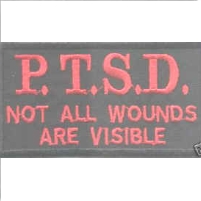
At the same time that the Department of Veterans Affairs (VA) made it easier for soldiers to file a post-traumatic stress disorder claim, the agency also made it more difficult to receive such a diagnosis, prompting veterans groups to sue the government over the latter change.
In 2010, the VA decided veterans no longer needed to provide witnesses to substantiate a claim of PTSD. This move was heralded by veterans’ organizations. But then it was learned that the agency adopted another new rule that states PTSD diagnoses must come from VA doctors, not private physicians.
“Before this change, if you had a competent examination from a private examiner [that conflicted with] a competent exam from a VA examiner, the benefit of the doubt would go to the veteran,” Richard Cohen, executive director at the National Organization of Veterans Advocates (NOVA), told Military.com. “With the new regulation they could say they don’t have to look at a private examiner now because they have one done by a VA examiner. And the preponderance of evidence then is against the claim.”
NOVA, along with the Paralyzed Veterans of America and Veterans of Modern Warfare, are suing the VA, arguing that the agency has offered no proof that only their doctors are best qualified to diagnosis PTSD.
PTSD claims have soared since the invasions of Afghanistan and Iraq, going from 120,000 in 1999 to more than 345,000 in 2008.
-Noel Brinkerhoff
VA Sued Over PTSD Rule Change (by Bryant Jordan, Military.com)
Lawsuit against VA (U.S. Court of Appeals for the Federal Circuit) (pdf)
Comments