


Chile is a prosperous Latin American country that has rebounded from a dark period in the late 20th century that the United States helped instigate. In 1970, Chile elected a leftist president, Salvador Allende, whose socialist policies alarmed the Nixon administration and conservatives in Chile. Three years later, on September 11, 1973, General Augusto Pinochet led a military coup that overthrew Allende, leading to the president’s death. Declassified US government documents have revealed that US officials welcomed the coup, and the CIA may have had a hand in carrying it out. Furthermore, FBI agents helped Chilean security locate leftists residing in the US after the fall of Allende, and National Security Adviser Henry Kissinger may have known about plans by Chilean agents to assassinate Allende’s former foreign minister in Washington, DC.
Lay of the Land: In southwestern South America, Chile's string bean profile is conditioned almost entirely by the steep wall of the Andes Mountains dividing it from Argentina to the east. The Andes, towering to almost 23,000 feet and permanently snowcapped, are almost never out of sight, for Chile's average width is only about 110 miles, although the country is 2,650 miles long. Chile has several distinctly different areas. The Atacama Desert in the north, one of the world's driest, gives way to the pleasant central region of wheat fields and vineyards. Most of the people live here in the central valley between the low coastal range and the Andes. Santiago and the other major cities are located here. Further south, the open fields yield to dense forests and a much wetter climate. In the extreme south are glaciers, fjords, and mountain lakes. Easter Island and the Juan Fernández, or “Robinson Crusoe,” islands in the Pacific are also Chilean territory.
Numerous accounts have been written implicating the United States in the overthrow of Allende and its support of Augusto Pinochet’s brutal reign. The Nixon administration was alarmed by the ascension of a Socialist in Chile, fearing the growth of Communism in the Western Hemisphere during the Cold War. Also, the United States had important economic interests in Chile, especially within the copper industry. In 1971, the Chilean government completely nationalized foreign copper firms, which were mainly owned by two US companies, Kennecott and Anaconda. Nixon’s top foreign policy adviser was Henry Kissinger, who was adamant that the United States had to prevent Chile “from going down the drain” under Allende’s leadership.
US relations with Chile improved considerably after the nation returned to democracy in 1990. Overall, the two countries have a strong relationship, characterized by strong commercial ties and extensive consultation between the two governments on bilateral and other issues of mutual concern.
Chile’s most important trade partner is the United States. Total trade with the US was $15.7 billion in 2007 as compared to $14.8 billion in 2006. In 2007, United States imports from Chile totaled $8.4 billion, representing a 10% decrease compared to 2006 ($9.3 billion). As has been the case for many years, copper continues to be Chile’s most valuable export to the US, totaling $3.3 billion in 2007 (The state-owned firm CODELCO is the world’s largest copper-producing company, with recorded copper reserves of 200 years). Second in line among imports from Chile are fruits, totaling $1.3 billion, then fish and shellfish at $1.03 billion.
Bush Proposal Rankles Chilean OAS Representative
The Chilean government has a much better human rights record than the one that ruled during the 1970s and 1980s. However, according to the State Department, there are still “isolated reports of excessive use of force and mistreatment by police forces, of physical abuse in jails and prisons, and of generally substandard prison conditions.”
Heman Allen
Appointment: Jan 27, 1823
Presentation of Credentials: Apr 23, 1824
Termination of Mission: Presented recall, Jul 31, 1827
Appointment: Feb 29, 1828
Presentation of Credentials: On or before Nov 9, 1828
Termination of Mission: Left Chile, Oct 29, 1829
Appointment: May 26, 1830
Presentation of Credentials: May 24, 1831
Termination of Mission: Presented recall, Oct 19, 1833
Appointment: Jun 28, 1834
Presentation of Credentials: Mar 13, 1835
Appointment: Aug 16, 1841
Presentation of Credentials: May 24, 1842
Termination of Mission: Left Chile soon after Jun 6, 1844
Appointment: Apr 10, 1844
Presentation of Credentials: Aug 18, 1845
Termination of Mission: Left Chile, Nov 1, 1847
Appointment: May 27, 1847
Presentation of Credentials: Jan 5, 1848
Termination of Mission: Left post, May 22, 1849
Appointment: Aug 9, 1849
Presentation of Credentials: Feb 16, 1850
Termination of Mission: Left Chile, Sep 26, 1853
Appointment: May 24, 1853
Note: Commissioned during a recess of the Senate. Took oath of office, but did not proceed to post.
Appointment: Jun 29, 1854
Presentation of Credentials: Nov 22, 1854
Termination of Mission: Presented recall, Aug 26, 1857
Appointment: Apr 2, 1857
Presentation of Credentials: Oct 5, 1857
Termination of Mission: Presented recall, Oct 4, 1861
Appointment: Jun 1, 1861
Presentation of Credentials: Oct 4, 1861
Termination of Mission: Presented recall, Mar 12, 1866
Appointment: Nov 11, 1865
Presentation of Credentials: Mar 12, 1866
Termination of Mission: Left Chile, Aug 3, 1870
Appointment: Sep 15, 1870
Presentation of Credentials: Dec 2, 1870
Termination of Mission: Presented recall, Jun 27, 1873
Appointment: Mar 17, 1873
Presentation of Credentials: Jun 27, 1873
Termination of Mission: Left post, Nov 10, 1876
Appointment: May 31, 1877
Presentation of Credentials: Aug 28, 1877
Termination of Mission: Presented recall, Jul 25, 1881
Appointment: May 19, 1881
Presentation of Credentials: Jul 25, 1881
Termination of Mission: Died at post, Dec 2, 1881
Appointment: Mar 15, 1882
Presentation of Credentials: Sep 7, 1882
Termination of Mission: Presented recall, Jun 16, 1885
Appointment: Apr 2, 1885
Presentation of Credentials: Jul 4, 1885
Termination of Mission: Probably presented recall on or before Aug 9, 1889
Appointment: Mar 30, 1889
Presentation of Credentials: Aug 9, 1889
Termination of Mission: Presented recall, Jul 4, 1893
Appointment: Apr 4, 1893
Presentation of Credentials: Jul 4, 1893
Termination of Mission: Left post, Mar 14, 1894
Appointment: Dec 13, 1894
Presentation of Credentials: Feb 6, 1895
Termination of Mission: Left Chile, Aug 17, 1897
Appointment: Jun 9, 1897
Presentation of Credentials: Sep 14, 1897
Termination of Mission: Left Chile, Jul 18, 1904
Appointment: Jul 14, 1905
Presentation of Credentials: Oct 5, 1905
Termination of Mission: Left Chile, May 11, 1909
Appointment: Apr 21, 1909
Presentation of Credentials: Aug 20, 1909
Termination of Mission: Left post, Nov 16, 1909
Appointment: Dec 21, 1909
Presentation of Credentials: Sep 9, 1910
Termination of Mission: Promoted to Ambassador Extraordinary and Plenipotentiary
Appointment: Oct 1, 1914
Presentation of Credentials: Nov 19, 1914
Termination of Mission: Left Chile, Mar 9, 1916
Appointment: Mar 6, 1916
Presentation of Credentials: May 30, 1916
Termination of Mission: Left post, May 5, 1921
Appointment: Jun 29, 1921
Presentation of Credentials: Sep 29, 1921
Termination of Mission: Presented recall, Aug 6, 1928
Appointment: Jun 19, 1928
Presentation of Credentials: Aug 16, 1928
Termination of Mission: Left post, Aug 19, 1933
Appointment: Aug 19, 1933
Presentation of Credentials: Nov 25, 1933
Termination of Mission: Left post, May 4, 1935
Appointment: Jul 22, 1935
Presentation of Credentials: Nov 7, 1935
Termination of Mission: Appointment terminated, Oct 31, 1937
Appointment: Jan 17, 1938
Presentation of Credentials: Apr 21, 1938
Termination of Mission: Left post, Jun 10, 1939
Appointment: Jun 22, 1939
Presentation of Credentials: Sep 7, 1939
Termination of Mission: Left Chile, Sep 2, 1953
Appointment: Aug 22, 1953
Presentation of Credentials: Nov 5, 1953
Termination of Mission: Left post, May 28, 1956
Note:A nomination of Aug 2, 1953 was not confirmed by the Senate.
Note: Commissioned during a recess of the Senate; recommissioned after confirmation on Jan 26, 1954.
Appointment: May 10, 1956
Presentation of Credentials: Jun 15, 1956
Termination of Mission: Left post, Feb 25, 1958
Appointment: Apr 22, 1958
Presentation of Credentials: Jun 1, 1958
Termination of Mission: Left post, Mar 15, 1961
Appointment: Apr 18, 1961
Presentation of Credentials: May 5, 1961
Termination of Mission: Left post, Jul 6, 1961
Appointment: Sep 22, 1961
Presentation of Credentials: Oct 21, 1961
Termination of Mission: Left post, Sep 27, 1964
Appointment: Nov 24, 1964
Presentation of Credentials: Dec 10, 1964
Termination of Mission: Left post, Aug 2, 1967
Appointment: Aug 23, 1967
Presentation of Credentials: Oct 16, 1967
Termination of Mission: Left post, Oct 12, 1971
Appointment: Sep 30, 1971
Presentation of Credentials: Oct 20, 1971
Termination of Mission: Left post, Nov 1, 1973
Appointment: Dec 19, 1973
Presentation of Credentials: Feb 22, 1974
Termination of Mission: Left post, May 22, 1977
Appointment: Sep 21, 1977
Presentation of Credentials: Nov. 1977
Termination of Mission: Left post, Jan 16, 1982
Appointment: Mar 2, 1982
Presentation of Credentials: Mar 8, 1982
Termination of Mission: Left post, Aug 2, 1985
Appointment: Jul 12, 1985
Presentation of Credentials: Nov 18, 1985
Termination of Mission: Left post, Nov 26, 1988
Appointment: Oct 17, 1988
Presentation of Credentials: Dec 20, 1988
Termination of Mission: Left post, Dec 10, 1991
Appointment: Dec 2, 1991
Presentation of Credentials: Jan 14, 1992
Termination of Mission: Left post Oct 21, 1994
Appointment: Oct 5, 1994
Presentation of Credentials: Nov 24, 1994
Termination of Mission: Left post Jun 13, 1998
Appointment: Jun 29, 1998
Presentation of Credentials: Aug 19, 1998
Termination of Mission: Left post Jun 29, 2001
Appointment: Jan 30, 2002
Presentation of Credentials: Mar 25, 2002
Termination of Mission: Left post, Jul 19, 2004
Appointment: May 12, 2004
Presentation of Credentials: Sep 9, 2004
Termination of Mission: Left post, Aug 3, 2007
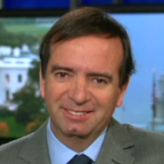 Fermandois, Arturo
Chile’s ambassador to the United States since June 21, 2010, Arturo Fermandois Vöhringer is an attorney, professor and lover of music who plays in a rock band.
- Table of Contents
- News
- Overview
- Basic Information
- History
- Newspapers
- History of U.S. Relations with Chile
- Current U.S. Relations with Chile
- Where Does the Money Flow
- Controversies
- Human Rights
- Debate
- Past Ambassadors
- Ambassador to the U.S.
- Embassy Web Site in the U.S.
- Comments
- Leave a comment

U.S. Ambassador to Chile
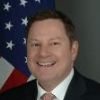
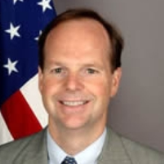
Nominated by President Barack Obama on June 21 to be the next U.S. ambassador to Chile, Mike Hammer has been assistant secretary of state for public affairs since March 30, 2012, having served as acting assistant secretary since the March 13, 2011, resignation of P.J. Crowley, who was forced out after he characterized the harsh confinement of whistleblower Pfc. Bradley Manning as “ridiculous and counterproductive and stupid.” Hammer had been principal deputy assistant secretary since January 2011. If confirmed by the Senate, Hammer would succeed Alejandro D. Wolff, who has served in Santiago since September 2010.
Born December 26, 1963, in Washington, DC, to parents Michael P. and Magdalena Hammer, Michael A. Hammer spent much of his childhood in Latin America, specifically Honduras, El Salvador, Colombia, Venezuela, and Brazil, where his father was working for the American Institute for Free Labor Development, a CIA front group that worked to undermine spontaneous radicalism and channel workers into corporate-funded, conservative labor groups. The elder Hammer was gunned down in a hotel dining room in San Salvador on January 3, 1981, by Salvadoran National Guard agents who had been trained at the Pentagon’s notorious School of the Americas. He was buried in Arlington National Cemetery, with both Secretary of State Edmund Muskie and Vice President Walter Mondale in attendance. He was probably a CIA agent.
Not long after his father’s murder, Hammer enrolled at Georgetown University School of Foreign Service, earning a B.S. in Foreign Service in 1985, an M.A. in Law and Diplomacy at the Fletcher School of Law and Diplomacy at Tufts University in 1987, and an M.S. from the National War College at the National Defense University in 2007.
A career member of the Senior Foreign Service who entered the diplomatic corps in 1988, Hammer served early overseas postings in Iceland and Denmark. In Washington, he has served in the State Department’s Operations Center and as special assistant to Under Secretary of State for Political Affairs Marc Grossman.
From 1999 to 2001, Hammer served at the National Security Council, first as deputy spokesman from 1999 to 2000 and then as director of Andean affairs from 2000 to 2001.
Hammer served as a political/economic counselor at the embassy in Oslo, Norway, from 2003 to 2006.
After completing his studies at the National War College during the 2006-2007 academic year, Hammer served as political aide to ambassador Phillip Goldberg in La Paz, Bolivia, from 2007 to September 2008, when Goldberg was expelled after a series of incidents suggested that the embassy was engaged in espionage and fomenting discontent against the government.
Back in Washington, Hammer was again detailed to the National Security Council, serving at the White House as special assistant to President Obama, senior director for press and communications, and NSC spokesman from January 2009 to January 2011.
Hammer is fluent in Spanish and speaks French and Icelandic as well.
Hammer is married to Margret Bjorgulfsdottir, whom he met while both were studying at Tufts, and they have three children, Monika, Mike Thor, and Brynja.
-Matt Bewig
To Learn More:
Interview of Assistant Secretary Michael Hammer Public Affairs Bureau with Journalists of Kyrgyzstan (State Dept. transcript)
Testimony Before the Senate Foreign Relations Committee (pdf)
morePrevious U.S. Ambassador to Chile
Comments