



Turkey was once the home of the Ottoman Empire that stretched from the Persian Gulf to western Algeria. Lasting for 600 years, the Ottoman Empire was not only one of the most powerful empires in the history of the Mediterranean region, but it generated a great cultural outpouring of Islamic art, architecture, and literature. With the fall of the empire by the 20th century, Turkey’s political power waned, though it continued to be a force regionally. The country also became known for one of the modern era’s most horrific genocides, as more than one million Armenians died during the period of World War I as a result of atrocities committed by Ottoman leaders.
During the current decade, relations between Turkey and the US have been strained. In contrast to the Gulf War, Turkey did not side with Washington’s decision to invade Iraq in 2003. The government in Ankara refused to allow US troops to deploy through its territory to Iraq, and later, Turkey recalled its ambassador to the United States after the House Foreign Relations Committee passed a resolution that labeled the deaths of 1.5 million Armenians during World War I as genocide. Shortly after taking office, President Barack Obama publicly proclaimed he wanted to repair relations with Turkey, saying the country played an important role in forging peace in the region and inside Iraq.
Lay of the Land: Situated in both southern Europe and southwestern Asia, and bordering the Black, Aegean, and Mediterranean seas, Turkey forms a geographic and historic bridge between East and West. Asian Turkey, which includes 97% of the country’s land area, is separated from European Turkey by the Bosphorus, the Sea of Marmara, and the Dardanelles.
Turkey was originally occupied by the Indo-European Hittites and later by Phrygians and Lydians. The Persian Empire occupied the area in the 6th century BC, giving way to the Roman Empire, then later the Byzantine Empire. The Ottoman Turks first appeared in the early 13th century, and gradually spread through the Near East and Balkans, capturing Constantinople in 1453 and storming the gates of Vienna two centuries later. At its height, the Ottoman Empire stretched from the Persian Gulf to western Algeria. Lasting for 600 years, the Ottoman Empire was not only one of the most powerful empires in the history of the Mediterranean region, but it generated a great cultural outpouring of Islamic art, architecture, and literature.
US-Turkish friendship dates to the late 18th century and was officially sealed by a treaty in 1830. About 360,000 Turks came to the US between 1820 and 1950, but the vast majority of these returned when Ataturk established the secular republic in 1923.
Arming Repression: U.S. Arms Sales to Turkey During the Clinton Administration
(
by Tamar Gabelnick, William D. Hartung, and Jennifer Washburn with research assistance by Michelle Ciarrocca, A Joint Report of the World Policy Institute and the Federation of American Scientists
Notable Turkish Americans
Cenk Uygur is a radio talk show host and political commentator known for being the host of the The Young Turks, a radio show and daily web television talk show. An ethnic Turk, Uygur graduated from the University of Pennsylvania–Wharton School of Business and Colombia University Law School. He also occasionally writes for the Huffington Post and has appeared on CNN, MSNBC, NPR, and E! Entertainment Channel.
U.S.-Turkey Relations Require New Focus
(Atlantic Council of the United States)
In 2002, the two countries indicated their joint intent to upgrade bilateral economic relations by launching an Economic Partnership Commission, which last convened in Washington in April 2008. The US and Turkey also have a Trade and Investment Framework Agreement to facilitate trade between the two countries. In 2008, Turkish exports to the US totaled about $4.6 billion, down from a high of $5.3 in 2006. American exports to Turkey totaled $10.4 billion in 2008, representing the highest total yet since 2004.
Nuclear Deal Proposed for Turkey
Human Rights Leave Chopper Deal in a Spin
(Time Europe)
Turkey has generally respected human rights for its citizens, but some seriously problems the country is dealing with are torture and arbitrary abuse or deprivation of life, right to fair trial, civil rights, and women’s and children’s rights.
George W. Erving
Note: Not commissioned, although his nomination was confirmed by the Senate.
Appointment: Apr 15, 1831
Presentation of Credentials: Sep 13, 1831
Termination of Mission: Died at post Mar 3, 1843
Appointment: Oct 6, 1843
Presentation of Credentials: Feb 29, 1844
Termination of Mission: Presented recall on or shortly before Oct 20, 1849
Note: Commissioned during a recess of the Senate; recommissioned after confirmation on Jan 11, 1844.
Appointment: May 29, 1849
Presentation of Credentials: Mar 11, 1850
Termination of Mission: Presented recall, Dec 19, 1853
Note: Commissioned during a recess of the Senate; recommissioned after confirmation on Jun 24, 1850.
Appointment: Aug 23, 1853
Presentation of Credentials: Feb 9, 1854
Termination of Mission: Presented recall, Dec 12, 1857
Note: Commissioned during a recess of the Senate; recommissioned after confirmation on Feb 9, 1854. Nominated Feb 25, 1856 to be Envoy Extraordinary and Minister Plenipotentiary; nomination withdrawn before the Senate acted upon it.
Appointment: Jan 14, 1858
Presentation of Credentials: May 27, 1858
Termination of Mission: Left post on or soon after May 25, 1861
Appointment: Mar 20, 1861
Note: Declined appointment.
Appointment: Jun 8, 1861
Presentation of Credentials: Oct 22, 1861
Termination of Mission: Presented recall, Oct 25, 1870
Note: Commissioned during a recess of the Senate; recommissioned after confirmation on Jul 15, 1861.
Note: Not commissioned; nomination not confirmed by the Senate.
Appointment: Jun 4, 1870
Presentation of Credentials: Oct 25, 1870
Termination of Mission: Relinquished charge, Jun 10, 1871
Appointment: Nov 3, 1871
Presentation of Credentials: Mar 25, 1872
Termination of Mission: Presented recall, May 1, 1875
Note: Commissioned during a recess of the Senate; recommissioned after confirmation on Dec 14, 1871.
Appointment: Mar 9, 1875
Presentation of Credentials: Jun 12, 1875
Termination of Mission: Presented new credentials on Nov 15, 1876, after change of ruler; presented recall, Jul 15, 1880
Appointment: Jun 14, 1880
Presentation of Credentials: Dec 14, 1880
Termination of Mission: Left post Apr 29, 1881
Appointment: May 19, 1881
Presentation of Credentials: Sep 6, 1881
Appointment: Mar 25, 1885
Presentation of Credentials: On or shortly before Aug 25, 1885
Termination of Mission: Left post Sep 14, 1886
Appointment: Mar 24, 1887
Presentation of Credentials: Jul 1, 1887
Termination of Mission: Presented recall, Jun 16, 1889
Note: Commissioned during a recess of the Senate; recommissioned after confirmation on Dec 21, 1887.
Appointment: May 16, 1889
Presentation of Credentials: [Dec 28, 1889]
Termination of Mission: Left post Jun 16, 1892
Note: Commissioned during a recess of the Senate; recommissioned after confirmation on Dec 16, 1889. Assumed charge of Legation on Dec 28, 1889, although he had presented credentials on Jul 3, 1889.
Appointment: Nov 15, 1892
Presentation of Credentials: Jan 11, 1893
Termination of Mission: Left post May 1, 1893
Note: Commissioned during a recess of the Senate; recommissioned after confirmation on Dec 8, 1892.
Appointment: Apr 15, 1893
Presentation of Credentials: Jul 7, 1893
Termination of Mission: Presented recall, Jun 15, 1897
Appointment: Apr 15, 1897
Presentation of Credentials: Sep 3, 1897
Termination of Mission: Left post Aug 13, 1898
Appointment: Jun 3, 1898
Presentation of Credentials: Oct 15, 1898
Termination of Mission: Left post Dec 20, 1899
Appointment: Dec 20, 1900
Presentation of Credentials: Mar 29, 1901
Termination of Mission: Presented new credentials on May 17, 1909, after change of ruler; presented recall, Jun 10, 1909
Appointment: May 17, 1909
Presentation of Credentials: Oct 4, 1909
Termination of Mission: Left post Sep 3, 1910
Appointment: Apr 24, 1911
Presentation of Credentials: Aug 28, 1911
Termination of Mission: Presented recall, Nov 20, 1913
Appointment: Sep 4, 1913
Presentation of Credentials: Dec 11, 1913
Termination of Mission: Left post Feb 1, 1916
Appointment: Jul 21, 1916
Presentation of Credentials: Oct 2, 1916
Termination of Mission: Turkey severed diplomatic relations with the US, Apr 20, 1917; Elkus left post May 29, 1917
Appointment: May 19, 1927
Presentation of Credentials: Oct 12, 1927
Termination of Mission: Left Turkey, Mar 13, 1932
Note: Commissioned during a recess of the Senate; recommissioned after confirmation on Apr 13, 1928.
Appointment: Mar 17, 1932
Presentation of Credentials: May 20, 1932
Termination of Mission: Appointment terminated, Mar 23, 1933
Appointment: Jun 13, 1933
Presentation of Credentials: Oct 16, 1933
Termination of Mission: Left post Jan 16, 1936
Appointment: Jan 24, 1936
Presentation of Credentials: Mar 16, 1936
Termination of Mission: Left post Nov 28, 1941
Appointment: Jan 12, 1942
Presentation of Credentials: Mar 10, 1942
Termination of Mission: Left post Apr 2, 1945
Appointment: Jan 27, 1945
Presentation of Credentials: Jun 11, 1945
Termination of Mission: Left post Aug 20, 1948
Appointment: Aug 11, 1948
Presentation of Credentials: Oct 1, 1948
Termination of Mission: Left post Jan 2, 1952
Note: An earlier nomination of Jul 29, 1948, had not been confirmed by the Senate. Commissioned during a recess of the Senate; recommissioned after confirmation on Mar 2, 1949.
Appointment: Dec 8, 1951
Presentation of Credentials: Jan 15, 1952
Termination of Mission: Left post Jun 19, 1953
Note: Commissioned during a recess of the Senate; recommissioned after confirmation on Jan 18, 1952.
Appointment: Jul 28, 1953
Presentation of Credentials: Sep 17, 1953
Termination of Mission: Left post Feb 17, 1956
Appointment: Mar 7, 1956
Presentation of Credentials: Jun 13, 1956
Termination of Mission: Left Turkey, Nov 15, 1960
Appointment: Feb 24, 1961
Presentation of Credentials: Apr 5, 1961
Termination of Mission: Left post Aug 27, 1965
Appointment: Jul 22, 1965
Presentation of Credentials: Oct 11, 1965
Termination of Mission: Left post Oct 3, 1968
Appointment: Oct 28, 1968
Presentation of Credentials: Dec 3, 1968
Termination of Mission: Left post May 7, 1969
Note: Commissioned during a recess of the Senate. A later nomination of Jan 9, 1969, was withdrawn before the Senate acted upon it.
Appointment: May 1, 1969
Presentation of Credentials: Jul 1, 1969
Termination of Mission: Left post Apr 19, 1973
Appointment: Mar 27, 1973
Presentation of Credentials: May 16, 1973
Termination of Mission: Left post Jun 15, 1977
Appointment: May 26, 1977
Presentation of Credentials: Jul 12, 1977
Termination of Mission: Left post Jan 11, 1980
Appointment: Feb 19, 1980
Presentation of Credentials: Feb 26, 1980
Termination of Mission: Left post Aug 16, 1981
Appointment: Jul 27, 1981
Presentation of Credentials: Sep 7, 1981
Termination of Mission: Left post May 18, 1989
Appointment: Jun 23, 1989
Presentation of Credentials: Aug 1, 1989
Termination of Mission: Left post Jul 25, 1991
Appointment: Oct 9, 1991
Presentation of Credentials: Nov 8, 1991
Termination of Mission: Left post Dec 15, 1994
Appointment: Sep 29, 1994
Presentation of Credentials: Jan 3, 1995
Termination of Mission: Left post June 1, 1997
Appointment: Nov 4, 1997
Presentation of Credentials: Nov 12, 1997
Termination of Mission: Left post Sep 8, 2000
Appointment: Jun 14, 2000
Presentation of Credentials: Sep 21, 2000
Termination of Mission: Left post July 23, 2003
Appointment: Apr 16, 2003
Presentation of Credentials: Aug 29, 2003
Termination of Mission: Left post Jun 19, 2005
Appointment: Nov 22, 2005
Presentation of Credentials: Dec 8, 2005
Termination of Mission: 2008
 Kılıç, Serdar
In January 2014, the government of Turkey announced that Serdar Kılıç, a longtime member of the country’s foreign ministry, was to be the next ambassador to the United States, although he did not arrive in Washington until April.
Kılıç was born March 28, 1958, in Samsun, a city in north-central Turkey on the Black Sea. He graduated from Ankara University’s political sciences department in 1980.
Kılıç didn’t join the Foreign Ministry right away. His first professional job was in 1977 with Turkey’s Ministry of Tourism and Culture. In 1982, he took a position in the private sector as a director for Ekşioğlu Holding, a construction company.
Kılıç joined the Foreign Ministry in 1984 and was assigned to the Eastern Europe and Asia Department. His first overseas posting came in 1987 when he was named third secretary in Turkey’s embassy in Kuwait. Kılıç landed his first U.S. assignment in 1989 as assistant consul general in Los Angeles. He returned home in 1992 as second secretary and later first secretary in the ministry’s Gulf and Muslim Countries Department.
In 1993, Kılıç began a fairly long period dealing with the North Atlantic Treaty Organization (NATO), initially as first secretary in Turkey’s delegation to NATO. He returned to Ankara in 1997 as chief of section in the ministry’s Deputy General Directorate of NATO and Euro-Atlantic Security and Defense Affairs. In 1999, Kılıç was back in Turkey’s NATO delegation as a counselor.
Kılıç returned to Turkey in 2003 as head of department for the Balkans and Central Europe desk. He was named deputy director general of NATO and Euro-Atlantic Security and Defense Affairs in 2006.
Kılıç’s first ambassadorial post came in 2008 when he was named envoy to Lebanon. While there, he worked to increase awareness of Lebanon’s ethnic Turkish population. He was brought home in 2010 to be secretary general of MGK, Turkey’s National Security Council. He was sent to Tokyo as ambassador in 2012, a post he held until being named to Washington.
Since coming to the United States, Kılıç has had to deal with various groups’ recognition of the Armenian Genocide of 100 years ago, in which the Ottoman government killed about 1.5 million ethnic Armenians. Turkey has long fought the use of the word “genocide” for the deaths.
Another confrontation came when Turkish Prime Minister Recep Tayyip Erdoğan was asked to return a peace award given him in 2004 by the American Jewish Congress. The request came after Erdoğan referred to Israel’s attacks on Gaza in the summer of 2014 as genocide. He told supporters “They kill women so that they will not give birth to Palestinians; they kill babies so that they won’t grow up; they kill men so they can’t defend their country.” Kılıç acted as an intermediary in the dispute, telling the organization that Erdoğan would return the award.
Kılıç is married and has one son. He is the uncle of Çağatay Kılıç, Turkey’s Sports and Youth Minister.
-Steve Straehley
To Learn More:
Turkey Reshuffles Envoys in Washington, London and Paris (Hurriyet Daily News)
- Table of Contents
- News
- Overview
- Basic Information
- History
- Newspapers
- History of U.S. Relations with Turkey
- Current U.S. Relations with Turkey
- Where Does the Money Flow
- Controversies
- Human Rights
- Debate
- Past Ambassadors
- Ambassador to the U.S.
- Embassy Web Site in the U.S.
- Comments
- Leave a comment


U.S. Ambassador to Turkey
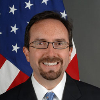
On July 15, 2014, the Senate Foreign Relations committee held a hearing into the nomination of John R. Bass as the U.S. ambassador to Turkey. Although the committee approved his nomination, the hearing did have one moment of controversy. When Sen. John McCain (R-Arizona) confronted Bass with details of Turkish Prime Minister Recep Tayyip Erdoğan’s crackdowns on free speech, Bass proved reluctant to criticize Erdoğan. McCain asked, “Do you believe—it is a pretty simple, straightforward question—that with his repression of social media, of his desire to change the Constitution to give more power to the presidency, which he obviously will be, do you believe that is a drift towards authoritarianism?” Finally, when McCain threatened to withhold Bass’s nomination if he didn’t get a direct answer, Bass conceded that “It’s a drift in that direction, yes.”
If he’s confirmed, it will be the second ambassadorial post for Bass, a career Foreign Service officer who was formerly the U.S. envoy to Georgia.
Bass is from upstate New York and graduated from Syracuse University in 1986 and was a newspaper editor and political campaign consultant before joining the Foreign Service in 1988. Some of his early postings were in Belgium, the Netherlands and Chad.
In 1998, he went to work for Deputy Secretary of State Strobe Talbott, first as a special assistant for Europe and Eurasia. In that role, he was part of the peace negotiations for the Kosovo conflict. He was named Talbott’s chief of staff in 2000, coordinating policy on arms reduction with Russia.
Bass served in the U.S. Embassy in Rome from 2002 to 2004, when he was named a special advisor to Vice President Dick Cheney for policy on Europe and Eurasia. In 2005, Bass was named director of the State Department Operations Center, the department’s communication and crisis management center. It’s open around the clock and coordinates State Department responses to incidents throughout the world.
Bass was sent to Iraq in 2008 as leader of a provincial reconstruction team. After a year in that assignment, Bass was named U.S. Ambassador to Georgia, an important post at a time when that country was being used as a transit point for U.S. forces headed to Iraq. During his term there, Bass was charged by the Tbilisi government’s opposition with “meddling in Georgia’s domestic affairs” and his recall was urged, but nothing came of the protests.
Since 2012, Bass has been executive secretary of state. The executive secretariat coordinates activities between the department’s bureaus and leadership. It’s also the liaison between the State Department and the White House, the National Security Council and other agencies.
Bass is married to another career Foreign Service officer, Holly Holzer Bass. Holzer Bass most recently served as deputy director of the Office of Iranian Affairs. She is an accomplished photographer and has had several exhibitions of her work. The two are avid runners and have competed in the Bay-to-Breakers race in the San Francisco Bay Area. Bass speaks Italian and French.
-Steve Straehley
To Learn More:
Testimony before Senate Foreign Relations Committee (pdf)
State Department Cables (WikiLeaks)
morePrevious U.S. Ambassador to Turkey
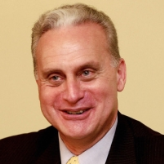
Francis J. “Frank” Ricciardone, Jr., a career member of the Senior Foreign Service who speaks Turkish, has returned to Turkey for his third tour of duty there. President Barack Obama nominated Ricciardone on July 1, 2010. However, Senator Sam Brownback (R-Kansas) blocked a Senate confirmation vote on him. Ricciardone served as President George W. Bush’s ambassador to Egypt from 2005 to 2008, and received public support from some Egyptian democracy activists. But back in the United States, Brownback and other conservatives claimed that Ricciardone was not aggressive enough in pursuing democracy in Egypt. When Ricciardone’s confirmation failed to come to a vote after more than five months, Obama gave him a recess appointment on December 29. His term will run out at the end of 2011.
Comments