



This small Central American country has a history of relative political stability, supported in part by a tradition of egalitarianism, strong democratic practices and constitutionally mandated neutrality. Costa Rica generally enjoys higher living standards, literacy rates and other development indicators relative to its neighbors. However, despite strong nationalist identifications with a unique heritage and political system, Costa Rica has many economic, social and environmental issues common with its neighbors.
Lay of the Land: Costa Rica, “the Switzerland of Central America,” lies between Panama and Nicaragua and has both a Pacific and a Caribbean coast. Between the coastal lowlands is a volcanic mountain range with peaks over 12,000 feet high. Costa Rica's Pacific coastline is deeply indented with bays and river outlets. In the mountain plateaus, the weather is spring-like all year; the lowlands, however, are steamy and tropical.
Relations between the United States and Costa Rica have historically been close and friendly, circumventing much of the surrounding turmoil of controversial U.S. military and economic policies in the region. Costa Rica has mostly supported U.S. policies; it broke ties with Cuba in 1961 and has been a critical force in bringing U.S. neoliberal economic reform to Central America.
Former President Abel Pacheco supported the U.S. invasion in Iraq, despite traditional (constitutional) neutrality, while former President Arias, who came to power again in 2006, was a strong vocal critic of the war.
About 42% of Costa Rica’s land is cultivated for agriculture and livestock, while about 38% is jungle, forest or natural vegetation (National Protected Areas constitute about 22 % of total land area and are an increasing ecotourism draw). Faced with decreasing export value and the liberalizing market reforms of the 1980s, the country shifted its agriculture-export-based economy (coffee and bananas) to include development in other sectors, such as manufacturing. Since the 1990s, tourism has been the second-largest industry, after bananas. Given its political stability, Costa Rica is seen as the most attractive Central American environment for foreign investors.
CAFTA
Costa Rica is home to the Inter-American Court of Human Rights and was the first country to recognize its jurisdiction.
CAFTA
John Slidell
Appointment: Mar 29, 1853
Note: Commissioned to Central America; declined appointment. Commissioned during a recess of the Senate.
Appointment: Apr 18, 1853
Note:Commissioned to Central America; did not present credentials in Costa Rica. Commissioned during a recess of the Senate; recommissioned after confirmation on Feb 9, 1854.
Appointment: Jan 20, 1858
Presentation of Credentials: Sep 14, 1858
Termination of Mission: Notified Govt. of Costa Rica by note from Releajo, Nicaragua, May 20, 1859, of termination of his mission
Note: Accredited also to Nicaragua; resident at Managua.
Appointment: Aug 15, 1859
Presentation of Credentials: Sep 29, 1859
Termination of Mission: Presented recall, Apr 27, 1861
Note: Commissioned during a recess of the Senate; recommissioned after confirmation on Jan 24, 1860. Accredited also to Nicaragua; resident at Managua.
Appointment: Jun 8, 1861
Presentation of Credentials: Aug 29, 1861
Termination of Mission: Presented recall, Jan 18, 1867
Note: Commissioned during a recess of the Senate; recommissioned after confirmation on Jul 22, 1861.
Appointment: Oct 2, 1866
Presentation of Credentials: Jan 18, 1867
Termination of Mission: Probably presented recall soon after Jun 24, 1868
Note: Commissioned during a recess of the Senate; recommissioned after confirmation on Jan 11, 1867.
Note: Not commissioned; nomination withdrawn before the Senate acted upon it.
Appointment: Jul 25, 1868
Presentation of Credentials: Oct 6, 1868
Termination of Mission: Presented recall, Jun 30, 1873.
Note: Not commissioned; nomination tabled by the Senate.
Appointment: May 17, 1873
Presentation of Credentials: Aug 13, 1873
Termination of Mission: Notified Government of Costa Rica by note from Amapala, Honduras, Jan 31, 1879, that he had resigned
Note: Commissioned during a recess of the Senate; recommissioned after confirmation on Dec 10, 1873. Commissioned to "the Central American States" but accredited individually to Costa Rica, El Salvador, Guatemala, Honduras, and Nicaragua; resident at Guatemala.
Appointment: Apr 2, 1879
Presentation of Credentials: [Dec 25, 1879]
Termination of Mission: Left San Jose, Apr 17, 1882
Note: Officially recognized on Dec 25, 1879. Commissioned to "the Central American States" but accredited individually to Costa Rica, El Salvador, Guatemala, Honduras, and Nicaragua; resident at Guatemala.
Presentation of Credentials: Nov 22, 1882
Termination of Mission: Promoted to Envoy Extraordinary and Minister Plenipotentiary
Note:Presented credentials the same day as Minister Resident and as Envoy Extraordinary and Minister Plenipotentiary. Commissioned to "the Central American States" but accredited individually to Costa Rica, El Salvador, Guatemala, Honduras, and Nicaragua; resident at Guatemala.
Presentation of Credentials: Nov 22, 1882
Termination of Mission: Transmitted recall by note on or shortly before May 16, 1889
Note: Commissioned to "the Central American States" but accredited individually to Costa Rica, El Salvador, Guatemala, Honduras, Nicaragua; resident at Guatemala.
Appointment: Mar 30, 1889
Presentation of Credentials: Aug 30, 1889
Termination of Mission: Relinquished charge at Guatemala, Dec 31, 1890
Note: Commissioned to "the Central American States" but accredited individually to Costa Rica, El Salvador, Guatemala, Honduras, Nicaragua; resident at Guatemala.
Appointment: Dec 11, 1890
Presentation of Credentials: May 7, 1891
Termination of Mission: Presented recall, Oct 31, 1891
Note:Commissioned to "the Central American States" but accredited individually to Costa Rica, El Salvador, Guatemala, Honduras, Nicaragua; resident at Guatemala.
Appointment: Aug 8, 1891
Presentation of Credentials: Oct 31, 1891
Termination of Mission: Left Managua, Apr 30, 1893
Note: Also accredited to El Salvador and Nicaragua; resident at Managua. Note: Commissioned during a recess of the Senate; recommissioned after confirmation on Dec 23, 1891.
Appointment: Apr 4, 1893
Presentation of Credentials: May 20, 1893
Termination of Mission: Transmitted recall by note about Dec 9, 1897
Note: Also accredited to El Salvador and Nicaragua; resident Managua. Note: Accredited also to El Salvador and Nicaragua; resident at Managua. Transmitted credentials by note from Managua on this date.
Appointment: Jul 17, 1897
Presentation of Credentials: Jan 15, 1898
Termination of Mission: Recommissioned to a different combination of countries
Note: Commissioned as Envoy Extraordinary and Minister Plenipotentiary to Nicaragua, Costa Rica, and El Salvador; resident at San Jose.
Appointment: Dec 12, 1907
Termination of Mission: Recommissioned to Costa Rica only
Note: Commissioned as Envoy Extraordinary and Minister Plenipotentiary to Nicaragua and Costa Rica; resident at San Jose.
Appointment: Jul 1, 1908
Presentation of Credentials: Left Costa Rica, Mar 4, 1911
Note: Commissioned during a recess of the Senate; recommissioned after confirmation on Dec 10, 1908.
Appointment: Jul 6, 1911
Presentation of Credentials: Nov 3, 1911
Termination of Mission: Left post, Dec 29, 1911
Non-career appointee
Appointment: Jun 21, 1913
Presentation of Credentials: Aug 29, 1913
Termination of Mission: Normal relations interrupted, Jan 27, 1917; new Government of Costa Rica still unrecognized by the U.S. when Hale left Costa Rica, Apr 19, 1917
Note: Stewart Johnson was serving as Chargé d'Affaires ad interim when Legation San Jose was closed, Dec 5, 1918. The Legation was reopened Oct 15, 1920 with John F. Martin, Jr., as Chargé d'Affaires ad interim. Walter C. Thurston served in that capacity, Jan 1921–Mar 1922.
Non-career appointee
Appointment: Feb 10, 1922
Presentation of Credentials: Mar 14, 1922
Termination of Mission: Left Costa Rica, Jan 4, 1930
Appointment: Dec 16, 1929
Note: Did not serve under this appointment.
Appointment: Jan 9, 1930
Presentation of Credentials: Mar 14, 1930
Termination of Mission: Left Costa Rica, Sep 24, 1933
Non-career appointee
Appointment: Aug 17, 1933
Presentation of Credentials: Oct 16, 1933
Termination of Mission: Left post, Jan 10, 1937
Note: Commissioned during a recess of the Senate; recommissioned after confirmation on Jan 15, 1934.
Non-career appointee
Appointment: Apr 22, 1937
Note: Took oath of office, but died in the U.S. before proceeding to post.
Non-career appointee
Appointment: Jul 2, 1937
Presentation of Credentials: Sep 2, 1937
Termination of Mission: Relinquished charge, Sep 1, 1941
Appointment: Oct 9, 1941
Presentation of Credentials: Oct 27, 1941
Termination of Mission: Left post, Mar 17, 1942
Appointment: Mar 5, 1942
Presentation of Credentials: Mar 31, 1942
Termination of Mission: Left post, Apr 20, 1943
Non-career appointee
Appointment: Mar 27, 1943
Presentation of Credentials: May 20, 1943
Termination of Mission: Left post, Sep 11, 1944
Appointment: Dec 16, 1944
Presentation of Credentials: Feb 14, 1945
Termination of Mission: Left post, May 16, 1947
Appointment: Apr 10, 1947
Presentation of Credentials: Jun 27, 1947
Termination of Mission: Left post, Oct 15, 1947
Appointment: Sep 30, 1947
Presentation of Credentials: Jan 31, 1948
Termination of Mission: Left post, Jun 8, 1949
Note:Commissioned during a recess of the Senate; recommissioned after confirmation on Dec 9, 1947.
Appointment: Jun 24, 1949
Presentation of Credentials: Aug 13, 1949
Termination of Mission: Left post, Sep 21, 1950
Non-career appointee
Appointment: Apr 18, 1951
Presentation of Credentials: Nov 20, 1951
Termination of Mission: Left post, Aug 7, 1953
Non-career appointee
Appointment: Oct 23, 1953
Presentation of Credentials: Nov 4, 1953
Termination of Mission: Left post, Sep 10, 1954
Note: Commissioned during a recess of the Senate; recommissioned after confirmation on Jan 26, 1954.
Appointment: Sep 24, 1954
Presentation of Credentials: Dec 3, 1954
Termination of Mission: Left post, Mar 15, 1958
Note:Commissioned during a recess of the Senate; recommissioned after confirmation on Dec 3, 1954.
Non-career appointee
Appointment: Apr 22, 1958
Presentation of Credentials: May 5, 1958
Termination of Mission: Left post, Apr 17, 1961
Non-career appointee
Appointment: Apr 6, 1961
Presentation of Credentials: May 22, 1961
Termination of Mission: Left post, Feb 19, 1967
Appointment: Jan 26, 1967
Presentation of Credentials: Mar 8, 1967
Termination of Mission: Left post, Aug 11, 1969
Non-career appointee
Appointment: Apr 8, 1970
Presentation of Credentials: Apr 27, 1970
Termination of Mission: Left post, Apr 13, 1972
Appointment: Sep 11, 1972
Presentation of Credentials: Oct 17, 1972
Termination of Mission: Left post, Feb 9, 1974
Non-career appointee
Note: Not commissioned; nomination of Apr 29, 1974 was not acted upon by the Senate.
Appointment: Dec 18, 1974
Presentation of Credentials: Mar 17, 1975
Termination of Mission: Left post, Jan 24, 1977
Non-career appointee
Appointment: May 26, 1977
Presentation of Credentials: Jun 28, 1977
Termination of Mission: Left post, Mar 22, 1980
Appointment: Jun 30, 1980
Presentation of Credentials: Jul 8, 1980
Termination of Mission: Left post, Jun 27, 1983
Non-career appointee
Appointment: May 26, 1983
Presentation of Credentials: Jul 14, 1983
Termination of Mission: Left post, Feb 18, 1985
Non-career appointee
Appointment: Jul 12, 1985
Presentation of Credentials: Aug 1, 1985
Termination of Mission: Left post, Jan 1, 1987
Appointment: Nov 6, 1987
Presentation of Credentials: Nov 17, 1987
Termination of Mission: Left post, Jan 4, 1990
Note: Hinton was commissioned during a recess of the Senate as Ambassador to Panama, Jan 2, 1990, and presented his credentials there on Jan 9, 1990 (see under Panama).
Non-career appointee
Appointment: Aug 2, 1991
Presentation of Credentials: Aug 27, 1991
Termination of Mission: Left post, Mar 1, 1993
Appointment: Oct 5, 1994
Presentation of Credentials: Oct 21, 1994
Termination of Mission: Left post, Oct 14, 1997
Non-career appointee
Appointment: Oct 14, 1997
Presentation of Credentials: Nov 26, 1997
Termination of Mission: Left post Mar 1, 2001
Non-career appointee
Appointment: Oct 1, 2001
Presentation of Credentials: Oct 10, 2001
Termination of Mission: Left post, June 1, 2004
Non-career appointee
Appointment: Oct 12, 2005
Presentation of Credentials: Nov 8, 2005
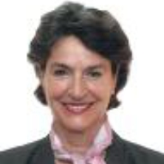 Figueres, Muni
Muni Figueres was appointed as Costa Rica’s Ambassador to the United States in August 2010.
- Table of Contents
- News
- Overview
- Basic Information
- History
- Newspapers
- History of U.S. Relations with Costa Rica
- Current U.S. Relations with Costa Rica
- Where Does the Money Flow
- Controversies
- Human Rights
- Debate
- Past Ambassadors
- Ambassador to the U.S.
- Embassy Web Site in the U.S.
- Comments
- Leave a comment


U.S. Ambassador to Costa Rica
Sharon Day, who until late 2016 served as the co-chair of the Republican National Committee (RNC), was nominated by President Donald Trump on June 14, 2017, to be the U.S. ambassador to Costa Rica. Day has no diplomatic experience. But, like Trump, she has a history of media bashing.
Day was born in Texas in 1951. Her mother was a Republican and her father was a Democrat. “We were raised in an Ozzie-and-Harriet-type home where every night you talked about what you did that day,” she told Beth Reinhard of the Miami Herald in 2003. “So there was a lot of politics around the dinner table.” She subsequently lived in Indianapolis, where she was CEO and vice president of Stop Loss International, an underwriting and reinsurance firm founded by her husband, Larry Day.
When the Days sold their business and moved to Fort Lauderdale, Florida, in 1994, Sharon Day immediately became involved in local GOP politics. She became a precinct committeewoman in 1994 and was elected the state committeewoman representing Broward County in September 1996. In 2000, she was a delegate the Republican National Convention. During the Florida recount in the 2000 George W. Bush-Al Gore presidential race, Day oversaw the Broward County ballot counters. Bush’s brother, then-Florida Governor Jeb Bush, then appointed Day to serve on the state’s Committee for Election Reform.
Day was a Florida elector for George W. Bush in 2004. She moved up to national committeewoman representing Florida in 2004 and in 2006 was one of nine members of the site selection committee for the 2008 Republican Convention. As the chairwoman of Florida’s “Women for McCain” and a delegate to the 2008 convention, she called Todd Palin, the husband of Republican vice-presidential candidate Sarah Palin “the hottie vote.”
An enthusiastic true believer, Day created miniature John McCain fliers for Republicans to give out to trick-or-treaters on Halloween four days before the 2008 election.
Day was elected the RNC secretary in January 2009 and then became its co-chair in January 2011. She was re-elected as the party’s second in command in 2013 and again in 2015. Day also served on the Broward County Housing Authority board, including a stint as its chairman. She was a member of the Republican Convention Site Selection Committee again, helping to sway the vote for 2012 meeting in Tampa, Florida.
In 2012, the Republican presidential candidate lost women’s vote for the sixth election in a row. Day then spent the next two years traveling around the United States encouraging women to vote Republican.
Day is such an enthusiastic Republican that she named her dog Reagan. In addition, according to Anthony Man of the South Florida Sun Sentinel, Day refuses to buy tickets to see movies made by directors she considers liberal. Instead, she buys tickets to other movies and sneaks into the show she really wants to see.
During a speech to the 2016 Republican National Convention, Day claimed Hillary Clinton “paid women less than the men” in her office. Politifact rated this assertion as “mostly false.” When Trump won the 2016 election, Day was again elector from Florida.
Day, whose husband died on October 23, 2012, has two sons: Aaron Day and Coby Mansell.
-Steve Straehley, David Wallechinsky
To Learn More:
Trump to Nominate South Florida’s Sharon Day as Costa Rica Ambassador (by Alex Daugherty and Franco Ordoñez, Miami Herald)
Sharon Day (Ballotpedia)
South Florida’s Sharon Day, Her Party’s No. 2, is ‘Mrs. Republican’ (by Anthony Man, South Florida Sun Sentinel)
morePrevious U.S. Ambassador to Costa Rica
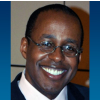
On July 8, 2014, President Barack Obama announced the nomination of Stafford Fitzgerald “Fitz” Haney as the U.S. ambassador to Costa Rica, filling a post that has been vacant for more than a year. His confirmation hearing before the Senate Foreign Relations Committee was held on July 29. It will be the first diplomatic post for Haney, whose background is in finance and has given substantial amounts of money to Obama’s presidential election campaigns.
Haney was born in 1969 in Nashville, Tennessee, and graduated in 1986 from Naperville (Illinois) Central High School near Chicago.
At his confirmation hearing, Haney paid tribute to his mother, the late Sandra Haney, calling her his hero. “As a young widow with two young children, she left home and family to provide my brother and me with the best education and opportunities she could. Working during the day and going to school at night, she showed us, by her example, that the United States is truly the land of opportunity for those who work hard on a level playing field. She did not have it easy as a single African-American woman raising two children alone in the 1970s, but she never gave up and she knew her sacrifices would allow her children to have a better life.”
Haney attended Washington’s Georgetown University, where he was student body president, earning a B.S. degree in International Economics in 1990 and an M.S. in International Business and Diplomacy in 1991.
Much of Haney’s career was spent in Latin America. His first job out of college was as an assistant brand manager for consumer giant Procter & Gamble in San Juan, Puerto Rico. In 1993, he moved to Pepsico’s restaurant division, first in San Juan and later as senior marketing manager for Mexico and Central America and marketing director in São Paulo, Brazil. Haney moved to Citibank Mexico in 1997 as vice president of marketing and strategic planning.
Haney left Latin America in 1999 to work in Israel as a senior associate at Israeli Seed Partners, a venture capital firm. While there, he met the woman who would become his wife, Andrea Dobrick. Haney returned to the United States in 2002 to work as director of strategic planning at Depository Trust and Clearing Corporation in New York. In 2006, he was named senior vice president for ethnic consumer products at International Discount Telecommunications, a long-distance and cell phone provider.
In 2007, Haney moved to Pzena Investment Management as principal and director of business development and client services. In 2013, he was made a director of the firm.
Haney donated $30,800 to the Obama Victory Fund for the 2008 election and $75,800 to the group in the 2012 cycle and has given to other Democratic races as well. In December 2013, he was named a member of the U.S. Holocaust Memorial Council.
Haney was a member of the board of directors of the Foundation for Jewish Culture until it closed in February 2014, and on the board of Ayecha, an organization devoted to Jews of color.
Haney’s language skills should not prove to be a stumbling block at his confirmation. He speaks Spanish, Portuguese, Hebrew and some French. Haney served as a member of the planning board in Englewood, New Jersey, where he lives. He and his wife, who is a rabbi, have four children: Asher, Nava, Eden and Shaia.
-Steve Straehley, David Wallechinsky
To Learn More:
Statement before Sentate Foreign Relations Committee (pdf)
more
Comments