



Wednesday, November 11, 2009
Crime does pay in the billion-dollar world of pharmaceuticals. Drug companies this decade have paid $7 billion in fines as a result of criminal and civil cases brought against them for illegally marketing their products, but the penalties pale in comparison to the profits they’ve earned, giving executives little incentive to change their ways.
In 2004, Pfizer agreed to pay $430 million in fines for promoting the epilepsy drug Neurontin for uses not approved by the Food and Drug Administration. What federal prosecutors did not know at the time was that the company was continuing the same activity with another of its drugs, Bextra, which eventually resulted in Pfizer paying the largest criminal fine in U.S. history ($1.19 billion).
“At the very same time Pfizer was in our office negotiating and resolving the allegations of criminal conduct in 2004, Pfizer was itself in its other operations violating those very same laws,” U.S. Attorney Michael Loucks told Bloomberg News. “They’ve repeatedly marketed drugs for things they knew they couldn’t demonstrate efficacy for. That’s clearly criminal.”
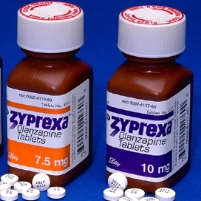
In addition to Pfizer’s illegal practices, Bristol-Myers Squibb paid $515 million in 2007 to settle allegations of similar wrongdoing involving one of its drugs, and this year Eli Lilly pled guilty and paid $1.42 billion in fines and penalties for illegally marketing the schizophrenia drug Zyprexa.
The fines represent only a small portion of the profits these companies have reaped from selling their products. The $2.3 billion in fines and penalties Pfizer paid for the Bextra and three other drug cases amounted to just 14% of its $16.8 billion in revenue from selling those medicines from 2001 to 2008. Lilly, meanwhile, made $36 billion from Zyprexa.
-David Wallechinsky
Pfizer Broke the Law by Promoting Drugs for Unapproved Uses (by David Evans, Bloomberg News)
Pfizer to Pay Largest Criminal Fine in Histrory (by Noel Brinkerhoff, AllGov)
Eli Lilly Pusher Useless Drug for Dementia (by Noel Brinkerhoff, AllGov)
Comments